
By 2025, web development will no longer be about simply writing functional code. A new trend is emerging and gaining momentum in the tech community: vibecoding. This term, at the crossroads of technology, design, and emotion, is redefining our relationship with code. It’s no longer just about building high-performing interfaces, but also about creating harmonious, fluid, and meaningful experiences. In this article, let’s delve into this world where code meets creativity, to understand what vibecoding truly is, why it appeals to developers, and how to practically implement it in your projects.
Vibecoding is a web development approach that places user experience at the heart of the creation process, but with a more sensory and emotional touch. Literally, it’s about “coding a vibe,” in other words, translating an atmosphere, a feeling, an aesthetic and ergonomic intention through lines of code.
Unlike a purely functional or technical approach, vibecoding seeks to align:
Cette tendance s’inscrit dans une logique plus globale : celle de créer un web plus humain, plus personnalisé, plus émotionnellement engageant.
With the widespread adoption of generative AI and ready-made frameworks, some developers feel a loss of purpose. Vibecoding reintroduces an artistic and creative dimension into the development process. It’s no longer just about delivering a feature, but about making the user feel something.
Platforms like Framer, Webflow, and Vercel favor design-first approaches, where form and feel are used to build content. Vibecoding fits into this culture: coding with an aesthetic vision and a clear artistic direction.
By 2025, users will be bombarded with information. To capture their attention, speed alone is no longer enough: you have to make an impact, engage them, and captivate them. Vibecoding allows you to create a memorable experience through the subtle use of animations, micro-interactions, transitions, and typographic and color choices.
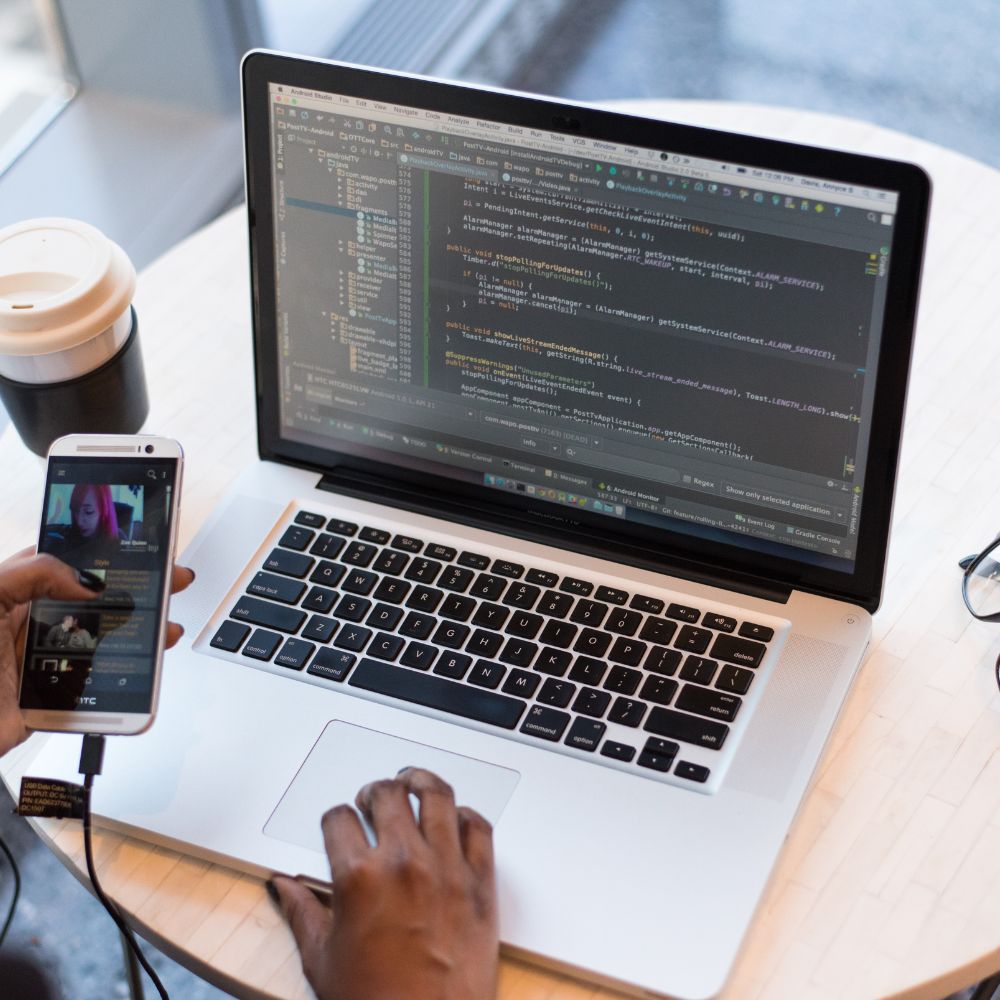
Interfaces developed using vibecoding are fluid: smooth transitions, dynamic scrolling, and imperceptible loading times. The use of libraries like Framer Motion, GSAP, or Tailwind CSS Transitions allows for the creation of natural movements that accompany navigation without ever disrupting it.
Design isn’t just about aesthetics. In vibecoding, it becomes structural: every visual element is designed to convey a specific atmosphere. Consistent color palettes, harmonious typography, and ample spacing are all key. Inspiration often comes from the worlds of branding, fashion, and motion design.
The user shouldn’t just click. They should feel. Vibecoding prioritizes subtle reactions from the site to user actions: subtle hovers, lighting effects, sound or haptic interactions (on mobile), texts that appear with rhythm and musicality.
A good website built with vibecoding never gives the impression of technical complexity, even if microservices, Next.js, real-time APIs, or edge computing are used behind the scenes. The important thing is perceived simplicity.
Vibecoding is not a solitary endeavor. It requires close collaboration between development and design teams. Silos must be broken down. Ideally, designers and developers co-design prototypes and iterate together.
Use Figma, Framer, or even Spline to design rich interfaces before coding them. This will allow you to better anticipate interactions and visual atmospheres.
Some frameworks are more “vibecoding-friendly” than others. Examples include:
A good vibecoding project is both lightweight and immersive. Avoid excessive animations or heavy fonts. Use Lighthouse to measure performance and compress your assets (images, videos, animated SVGs, etc.) as much as possible.
Here are some projects that inspire the vibecoder community:
In 2025, vibecoding is just getting started. It is gradually establishing itself as a new standard in the development of high-end interfaces. In a world saturated with digital content, coding with a vibe means offering the user a distinctive, harmonious, and sometimes even poetic experience.
Companies that adopt this philosophy stand out not only for their technology, but also for their sensitivity.
Le vibecoding n’est pas une simple tendance éphémère : c’est une philosophie de développement web qui place l’émotion, le design et l’utilisateur au cœur du code. Dans un monde où l’attention se joue en quelques secondes, il devient crucial de créer des expériences digitales qui marquent, engagent et captivent.
At Ezway Technology, we believe in this human and creative approach to development. Our teams are already integrating vibecoding principles into their projects to offer our clients modern, fluid, and impactful interfaces.
Vous avez un projet web en tête ? Discutons ensemble de la meilleure manière de lui insuffler une vraie vibe digitale et offrir à vos utilisateurs une expérience unique. Contact our team now.